Boyne Resorts
Design System Architecture / Art Direction
Boyne Resorts, a leading operator of 18 resorts across the U.S., approached us with a monumental challenge: create a robust platform that would allow them to build and manage individual resort websites seamlessly. These resorts spanned diverse offerings, including ski resorts, golf clubs, theme parks, and vacation destinations. The platform needed to integrate their existing APIs for various functionalities while maintaining unique branding for each resort.
Design System Development
Led the architecture and implementation of a multi-brand, token-driven design system built to scale across 18 distinct resort experiences. Structured the system to balance consistency with flexibility, enabling each property to express its own identity without fragmenting the core product.
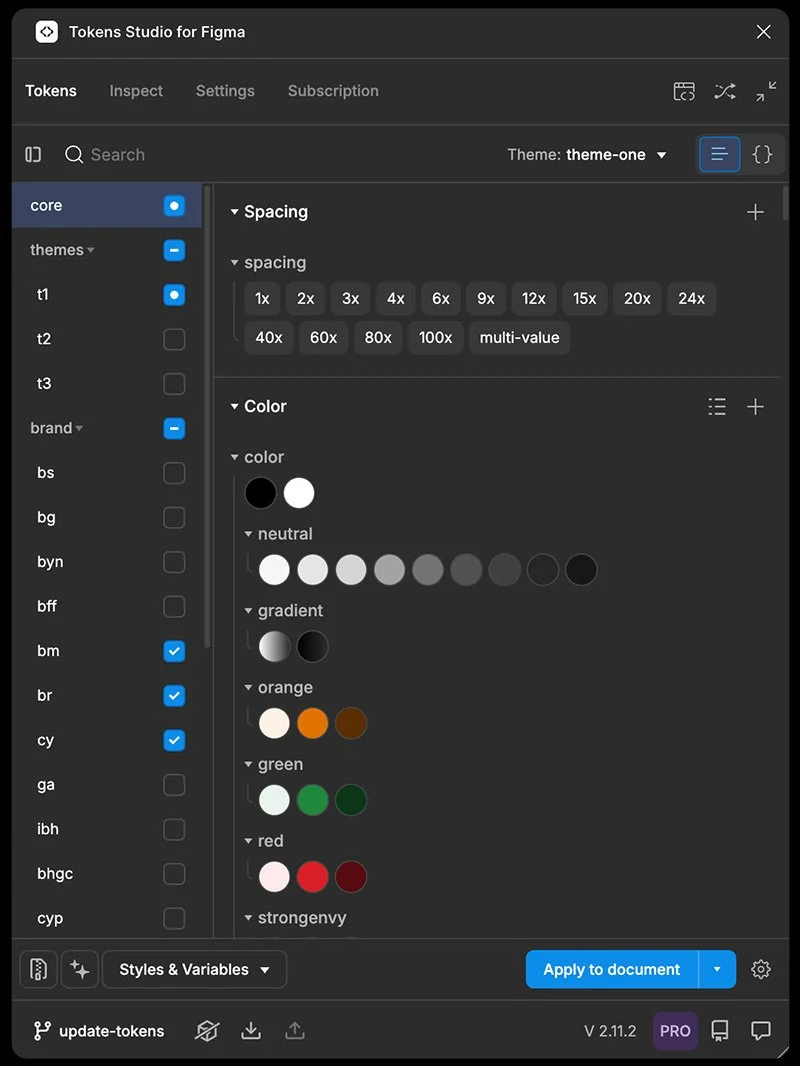
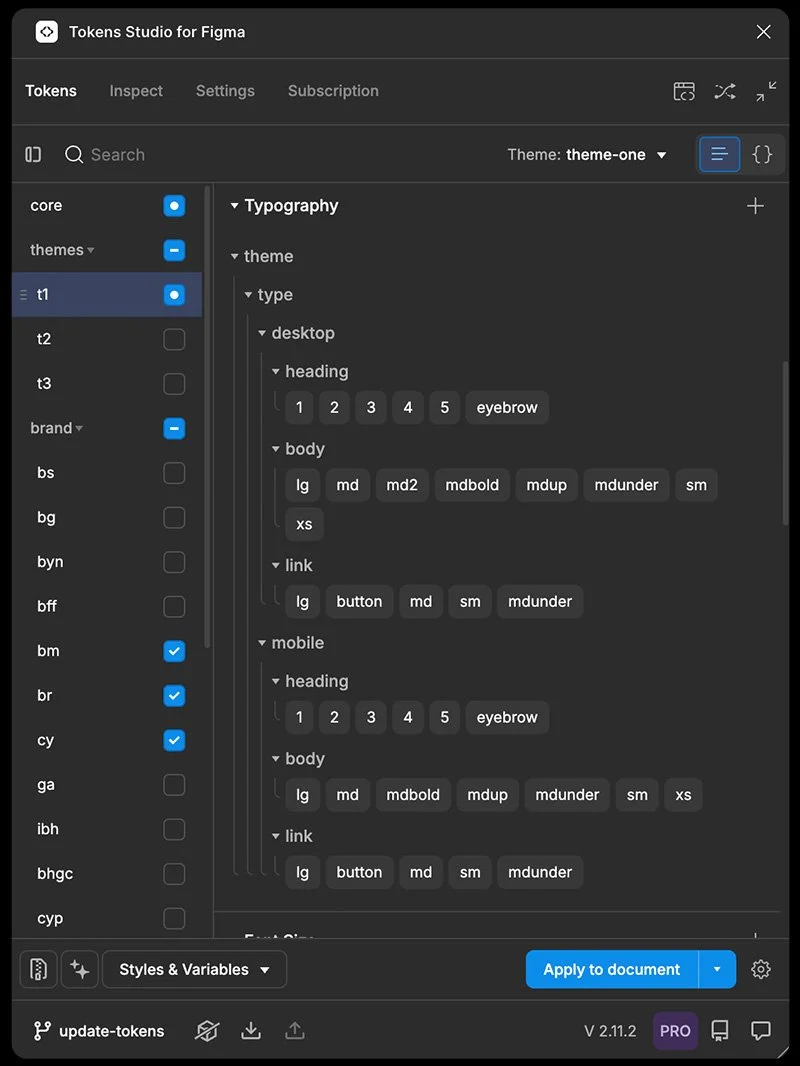
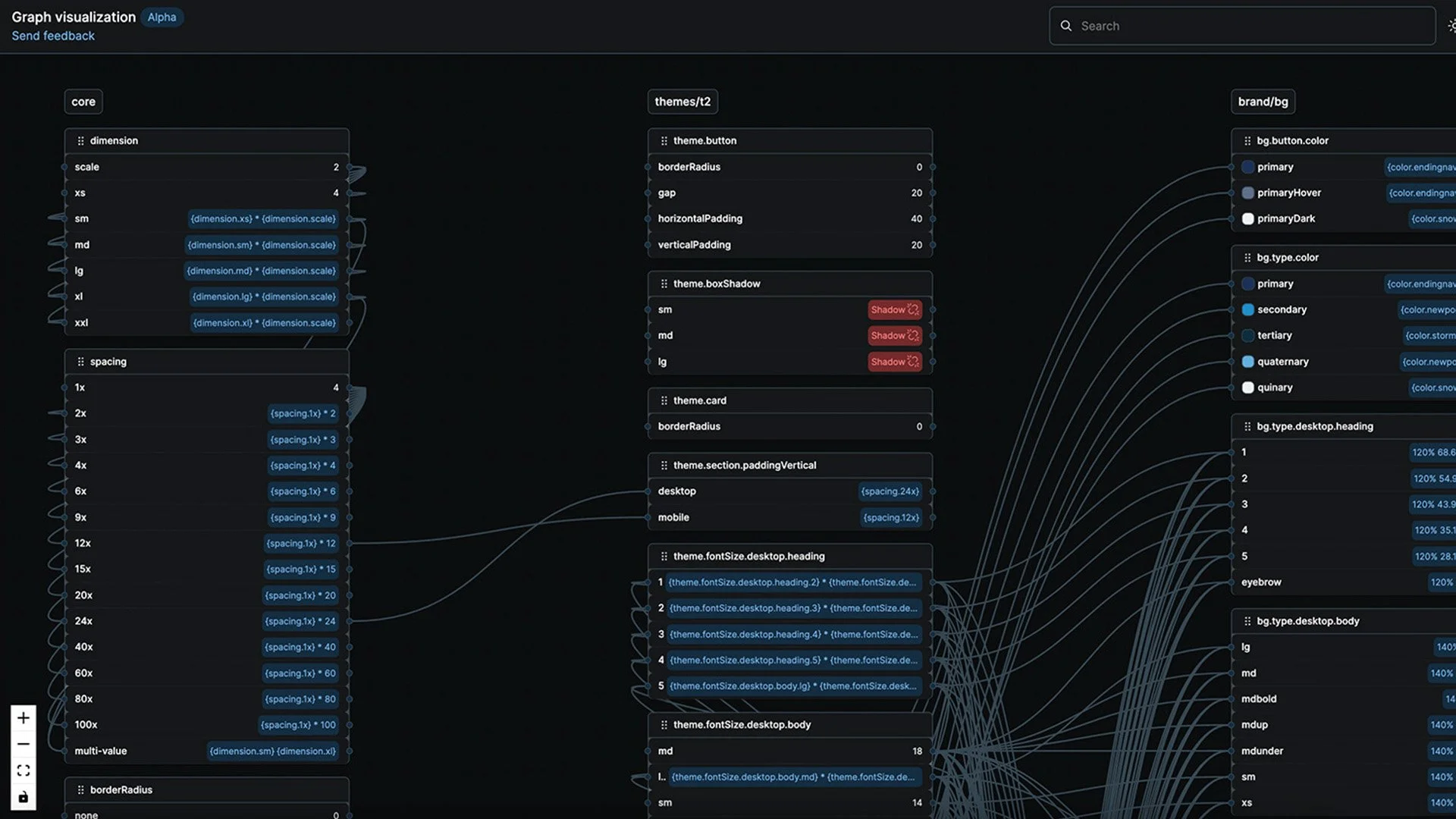
Established a foundation of semantic design tokens, decoupling brand styles from component logic. This allowed themes to dynamically control typography, color, spacing, and component behavior without requiring structural changes. Built and maintained a comprehensive token hierarchy in Token Studio, ensuring alignment between Figma and the development codebase and creating a single source of truth across design and engineering.
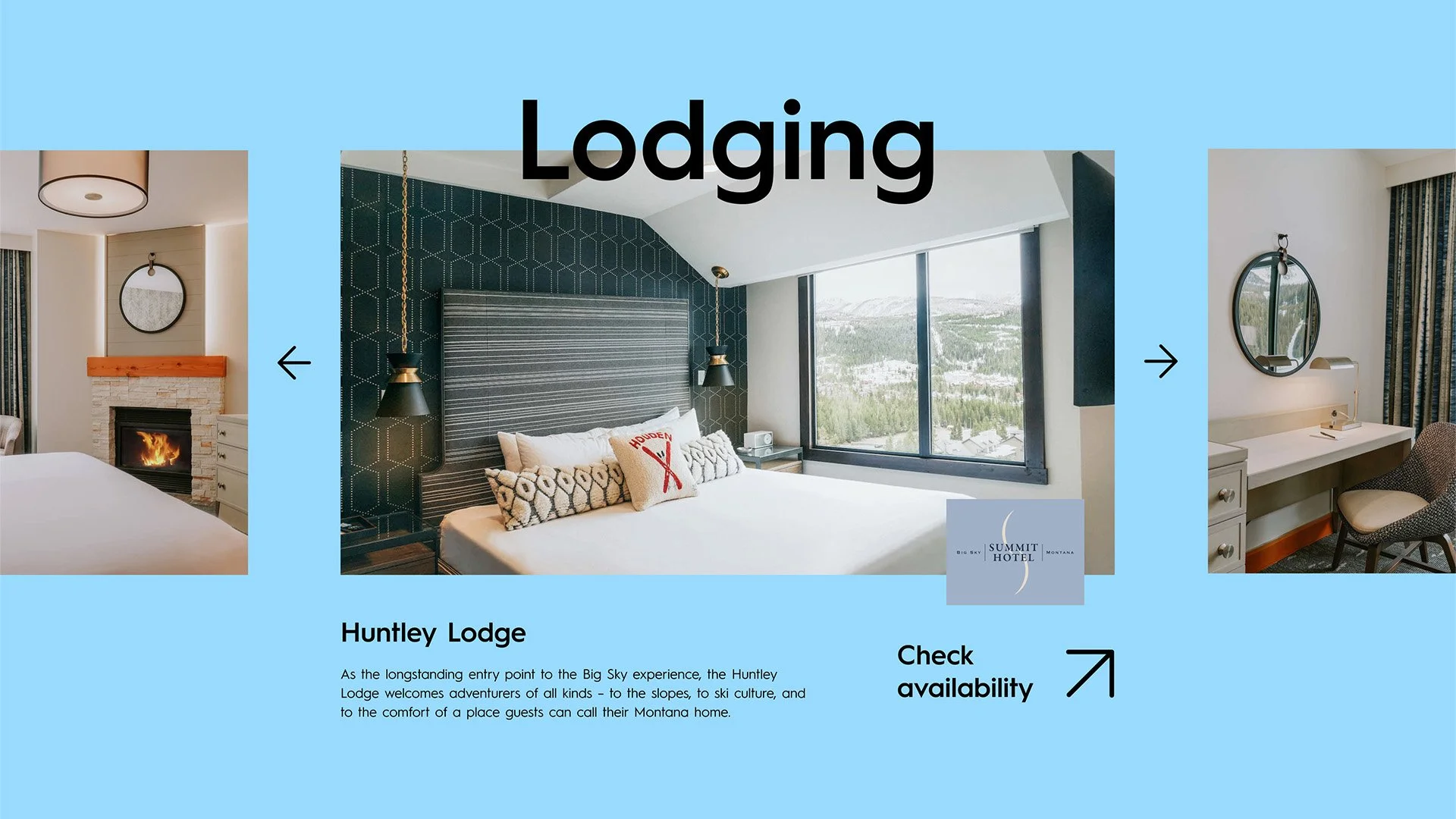
Defined a modular component system designed for reuse across multiple content types and resort needs. Components were built with clear states, variants, and responsive behaviors, allowing teams to assemble complex layouts quickly while maintaining visual and functional consistency.
Collaborated closely with engineers to ensure seamless handoff and implementation, bridging design intent with production realities. Introduced scalable patterns and documentation that empowered other designers to contribute confidently within the system, reducing redundancy and accelerating delivery across multiple parallel workstreams.
One System, Multiple Identities
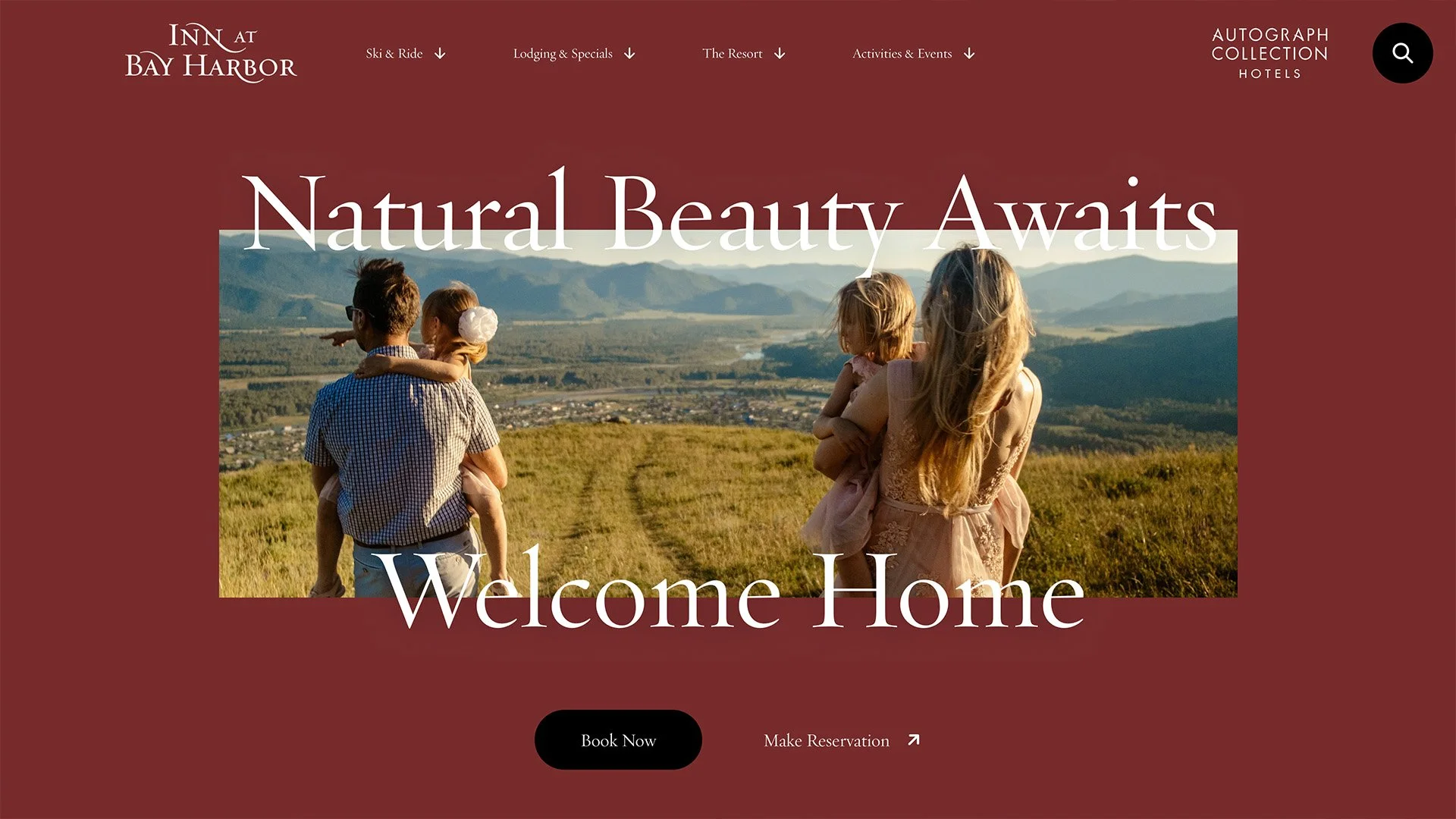
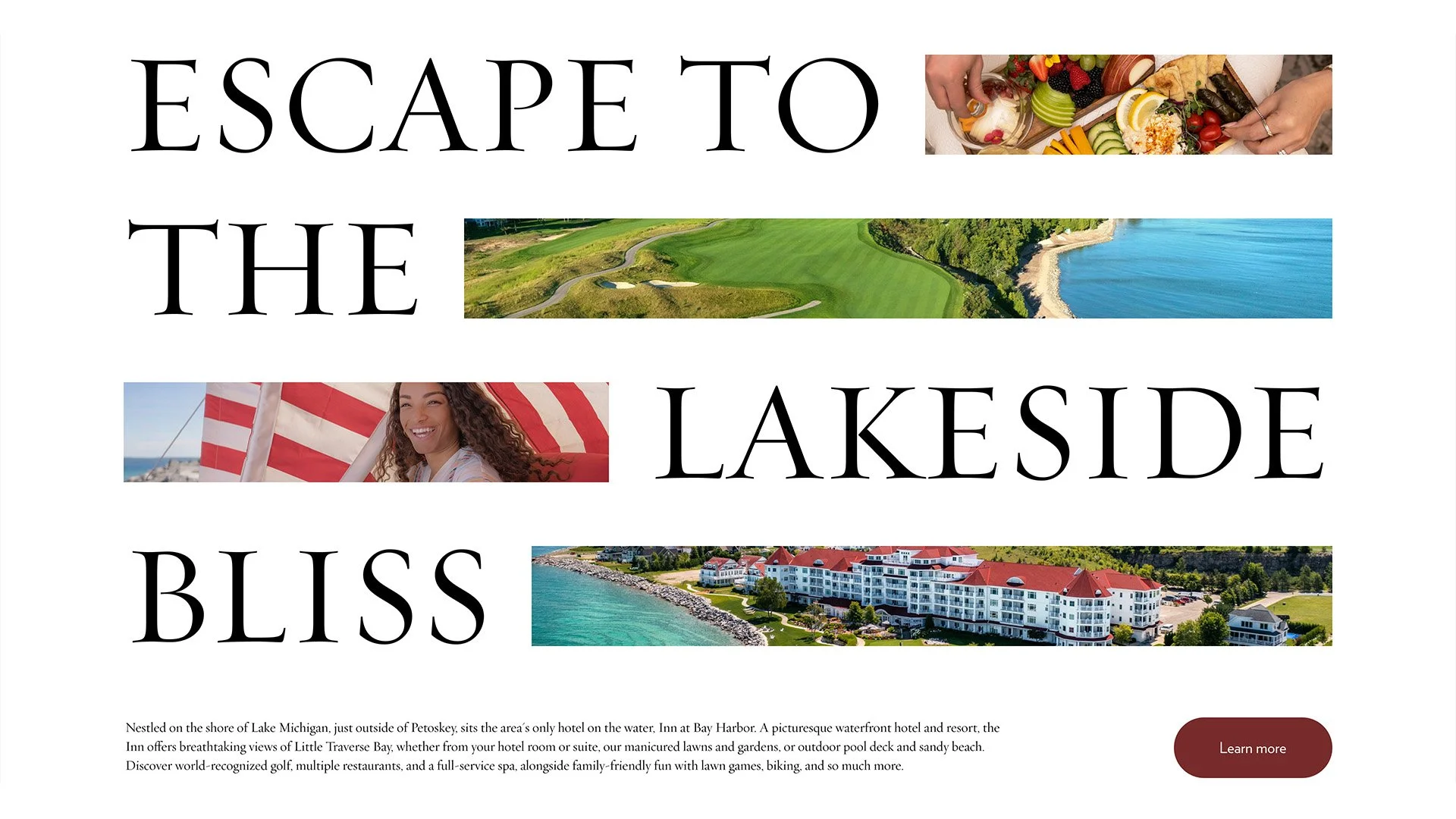
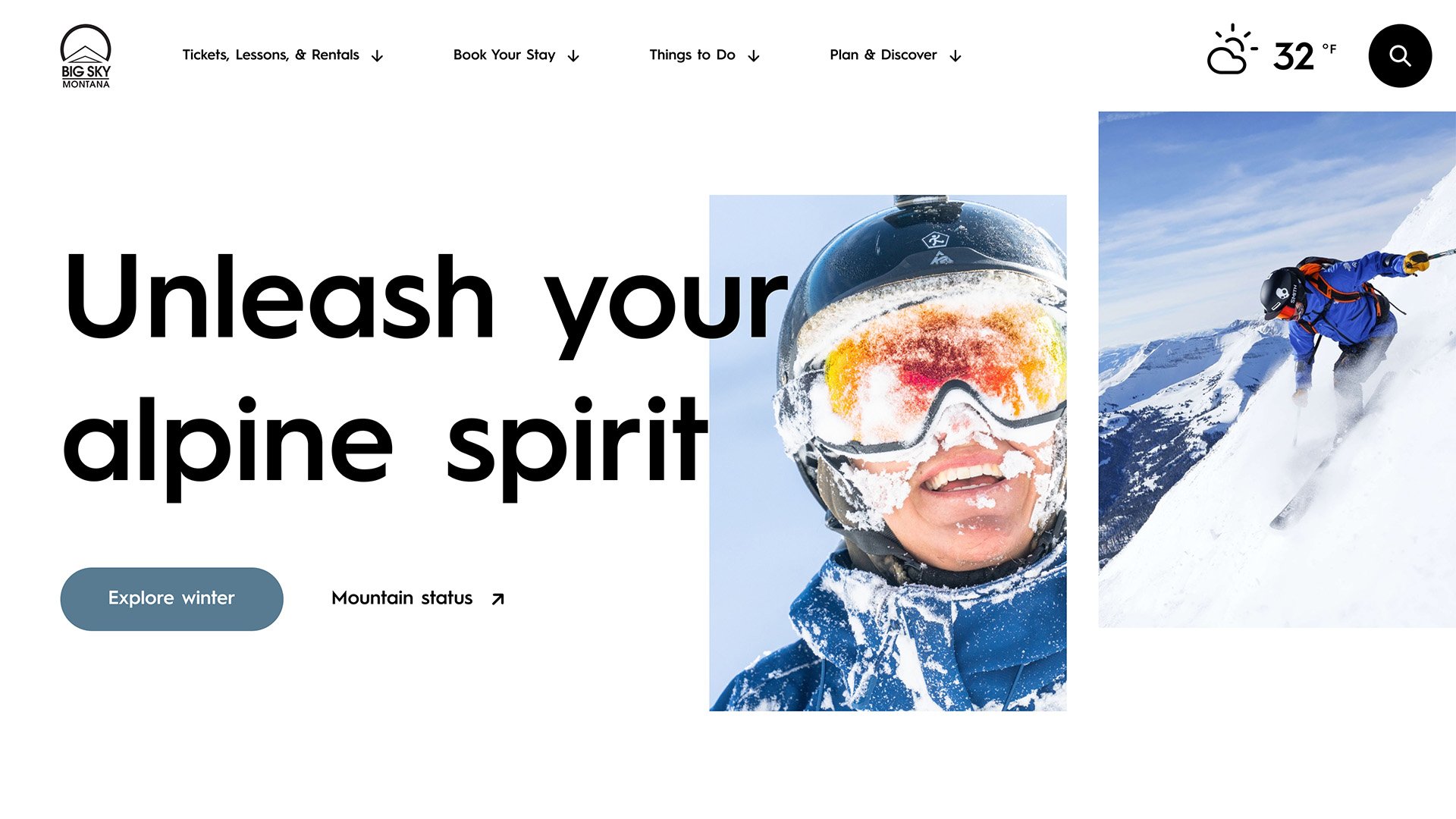
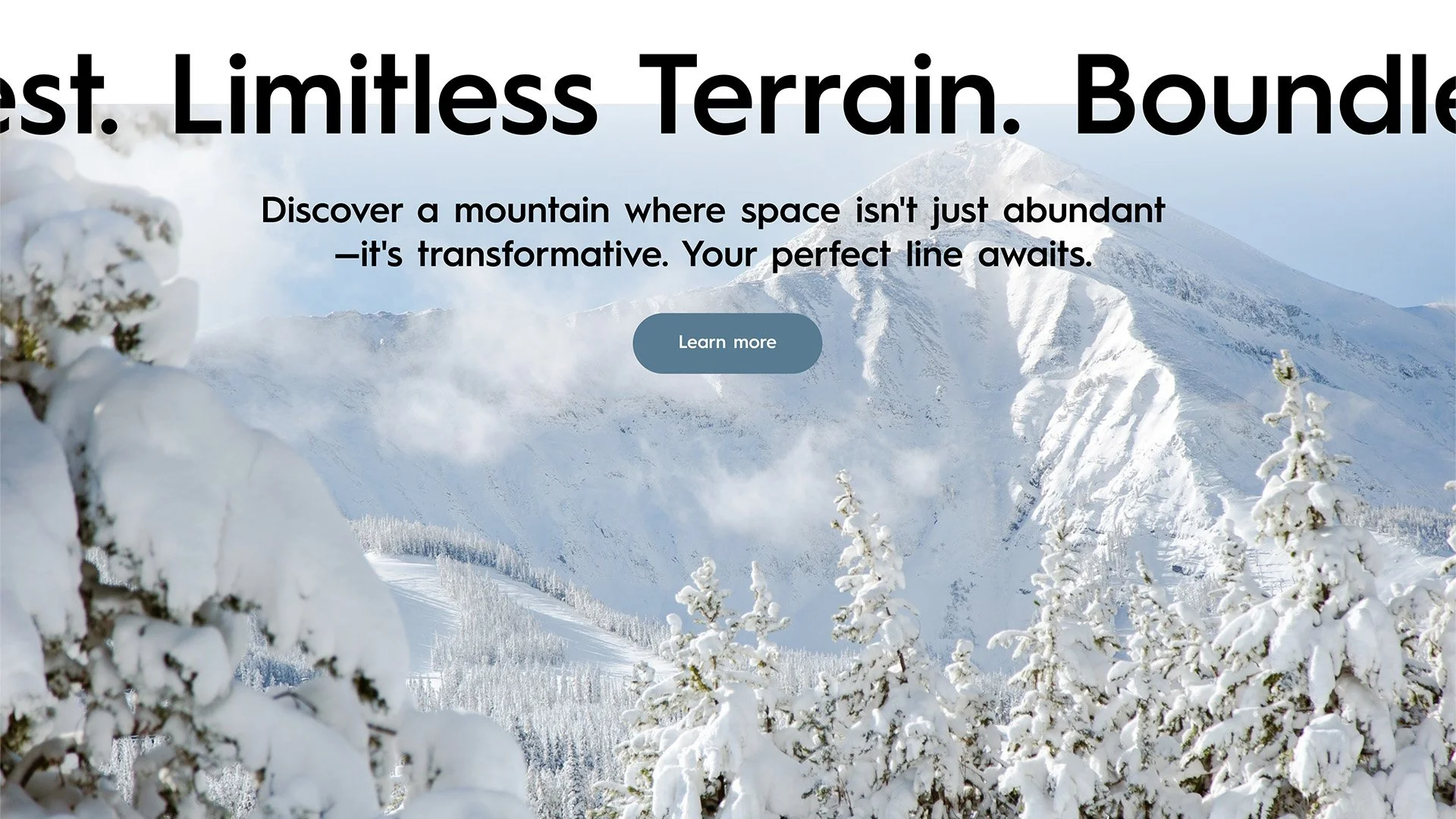
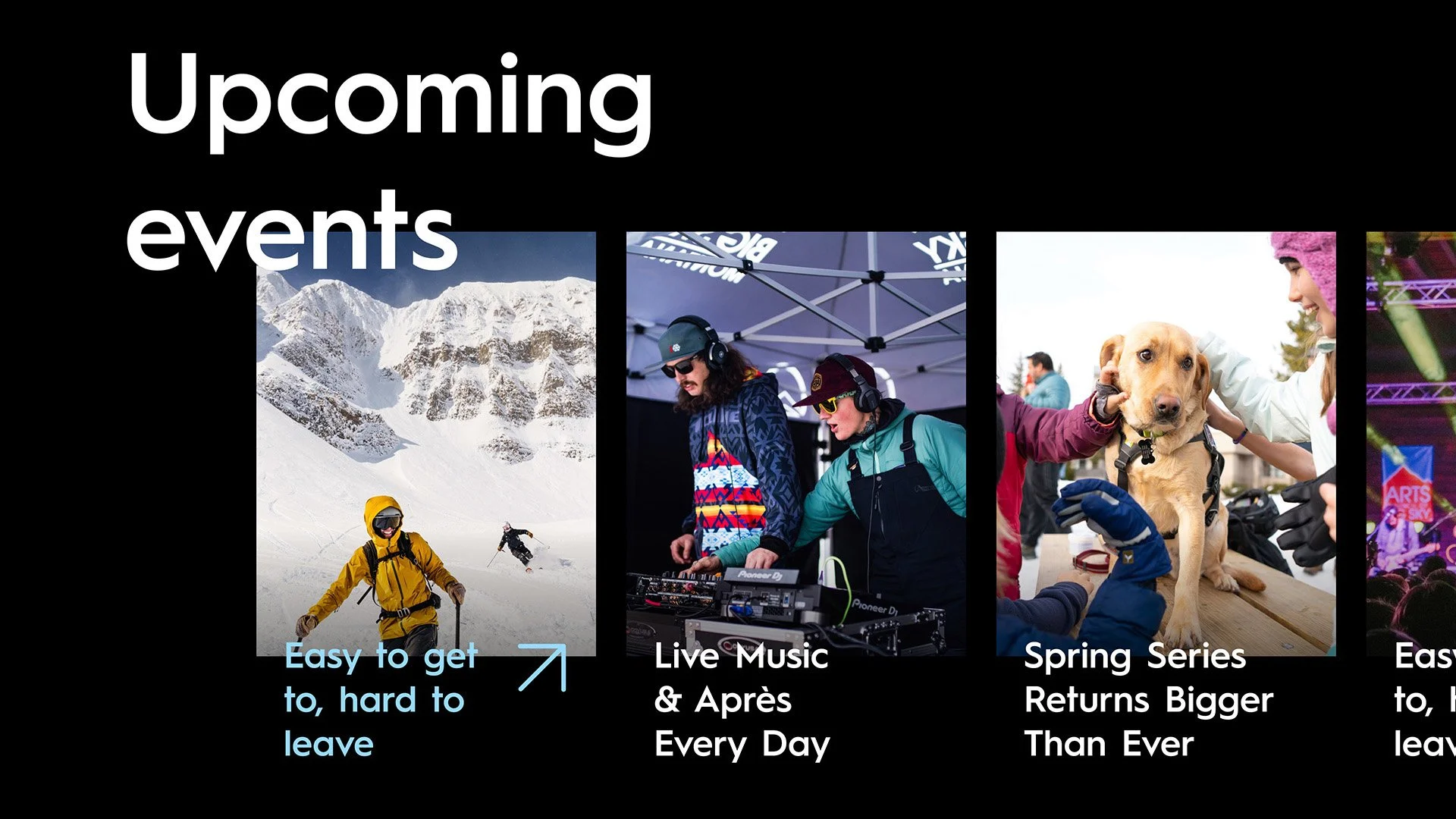
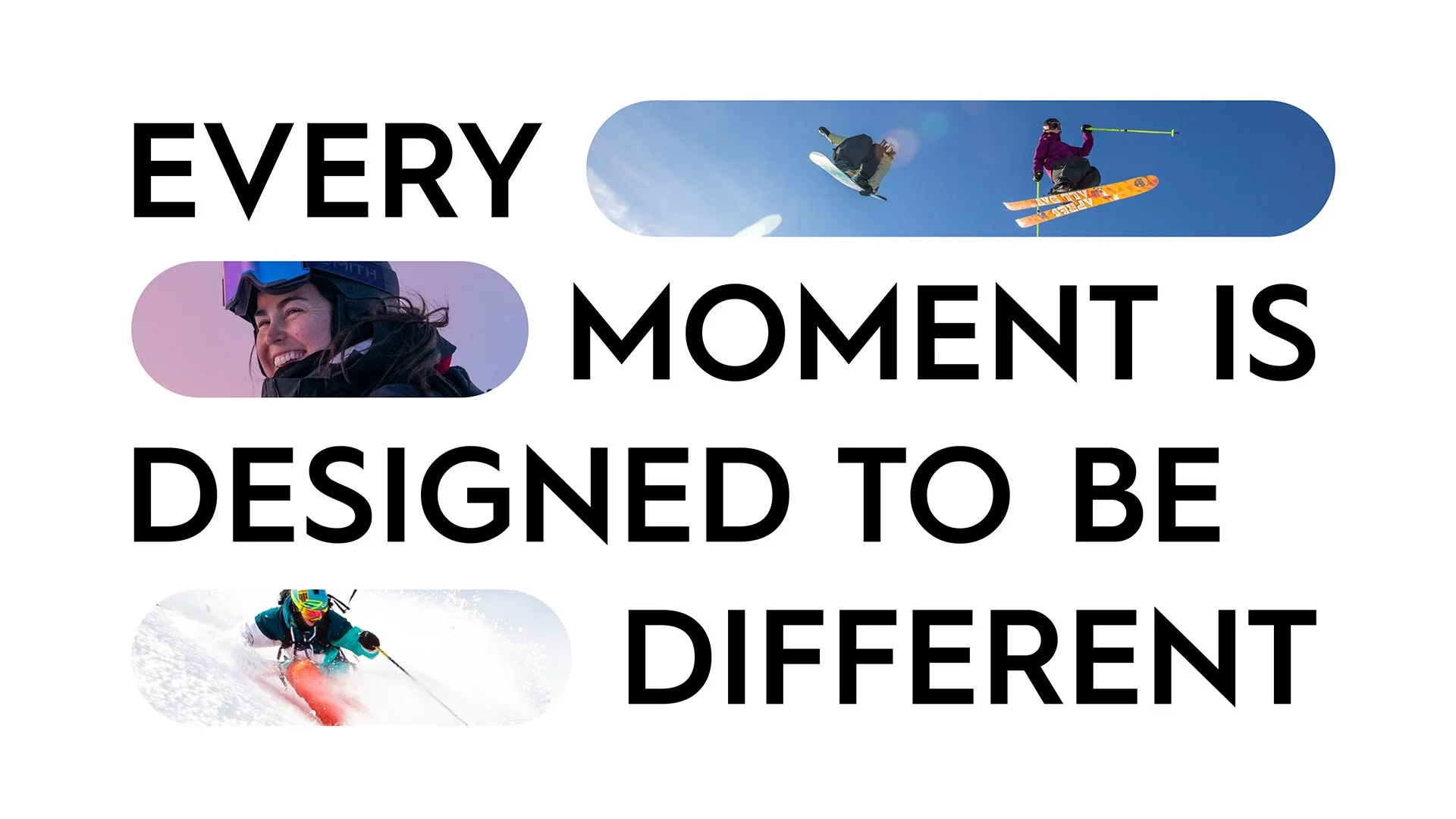
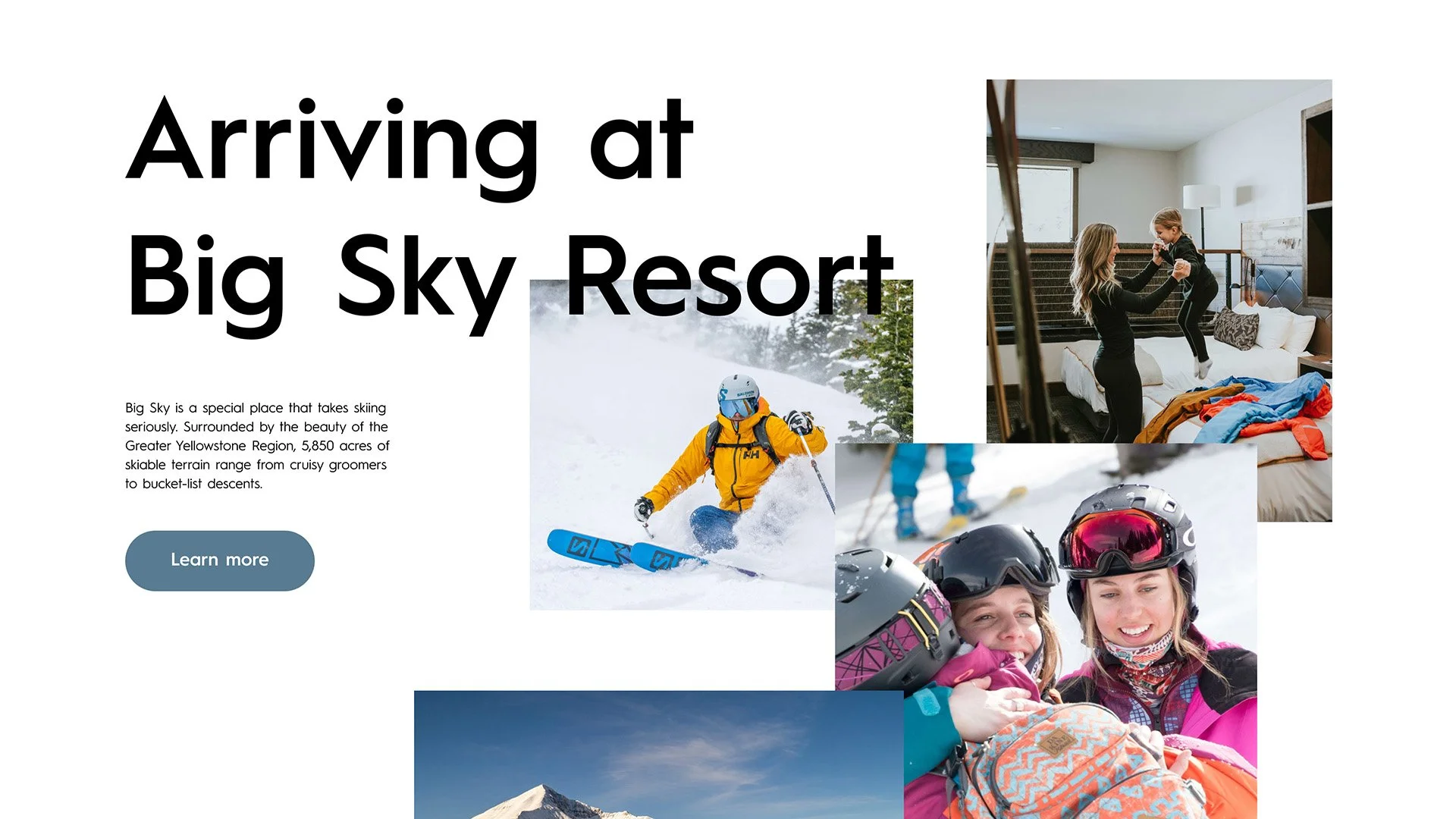
The same core layout and component system adapts seamlessly across brands through theme-driven styling. For Inn at Bay Harbour, the system automatically applies a distinct visual language, adjusting typography, color, and tone while preserving structure and usability. This approach ensures brand individuality without compromising consistency, enabling rapid rollout of new properties with minimal design and development overhead.