

Rogers Communications
Reimagining a fragmented telco purchase journey into a unified, scalable bundle-building experience
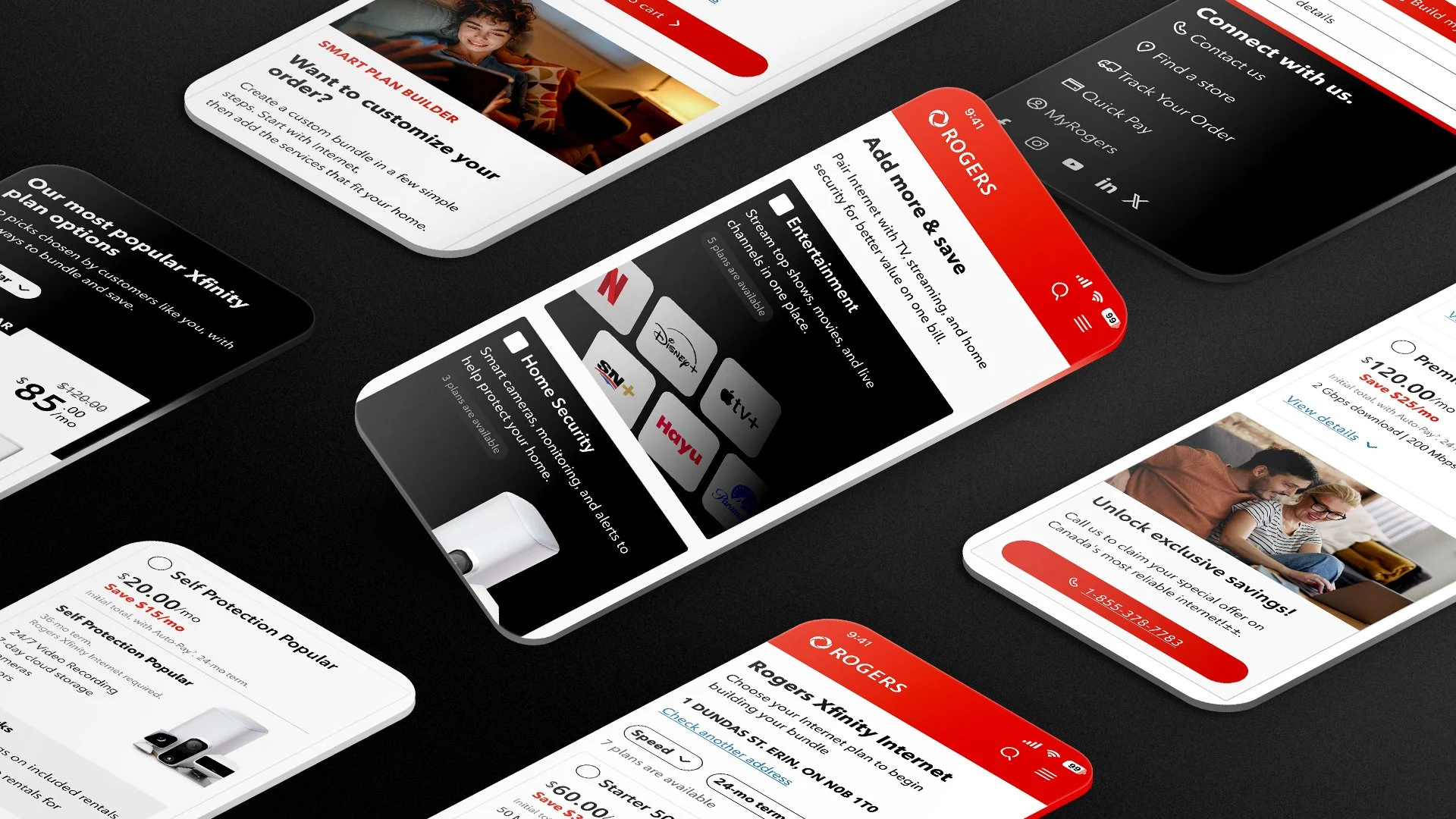
Rogers’ residential buyflow was fragmented across multiple services, creating friction for users trying to build bundled offerings. I led design for Project LEGO, an initiative aimed at transforming the experience into a unified, flexible bundle-building system that simplifies decision-making and reduces cognitive load.
The goal was to enable users, both new and existing, to seamlessly build, customize, and understand bundled products within a single, cohesive flow.
Problem
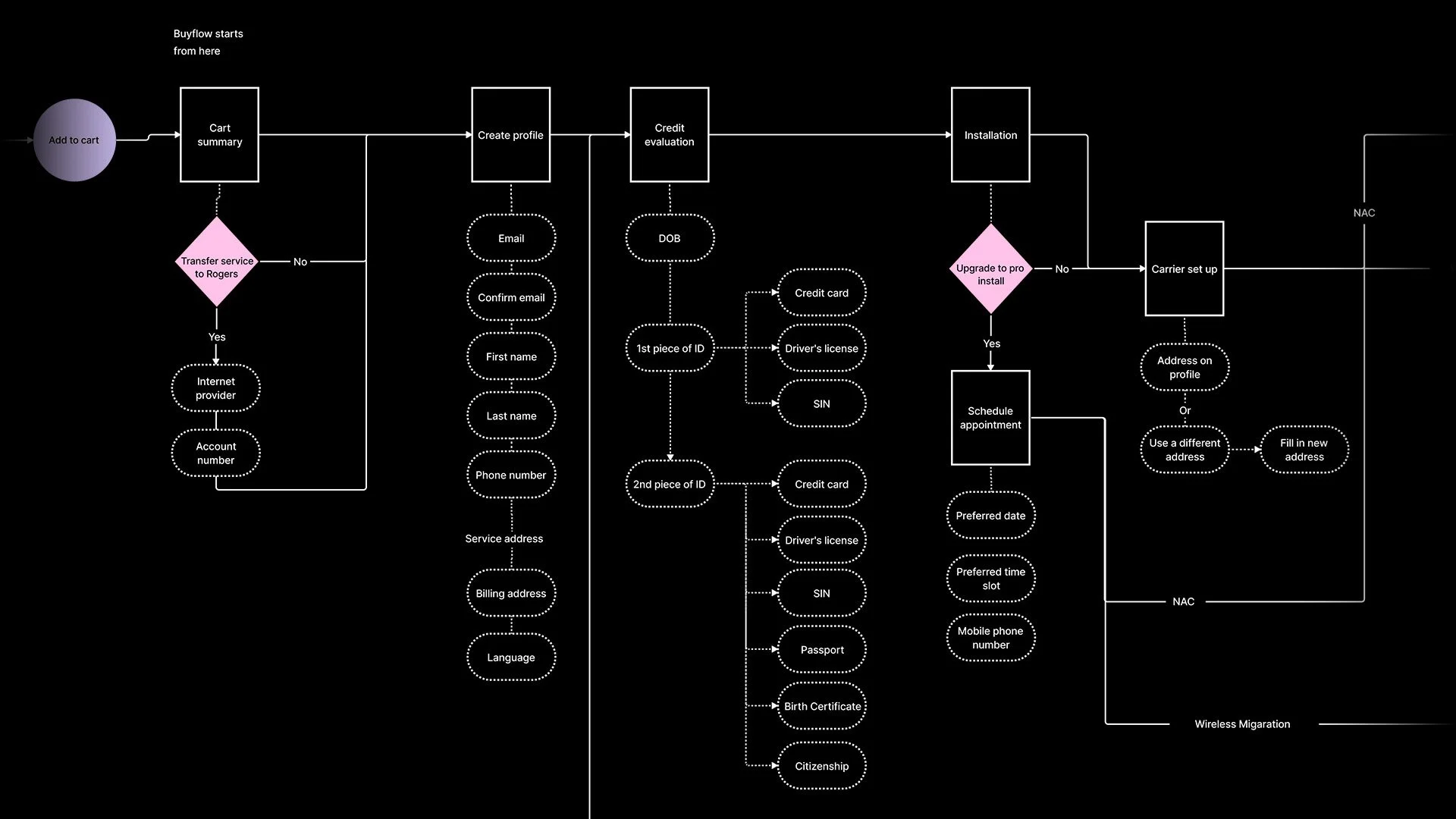
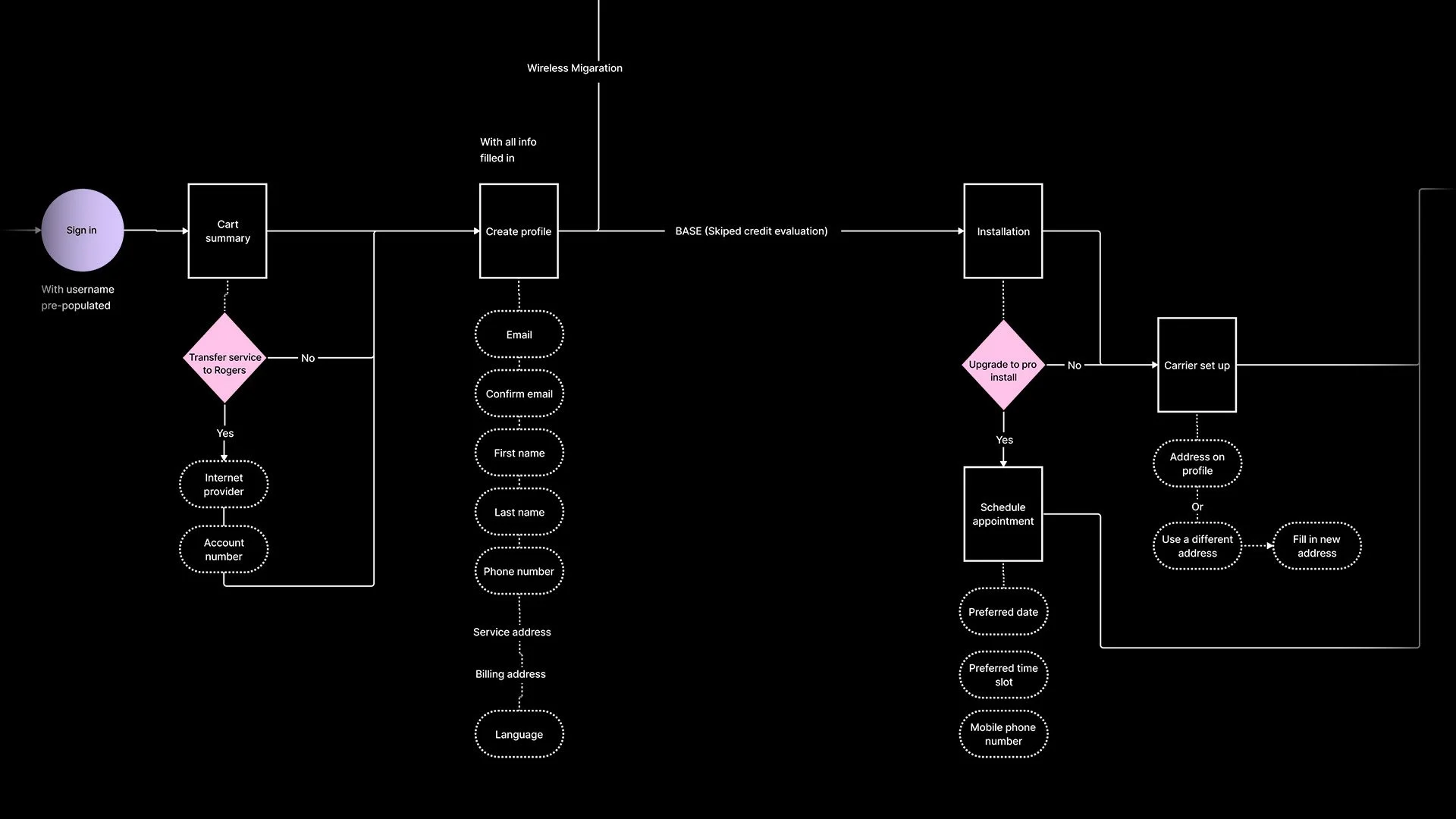
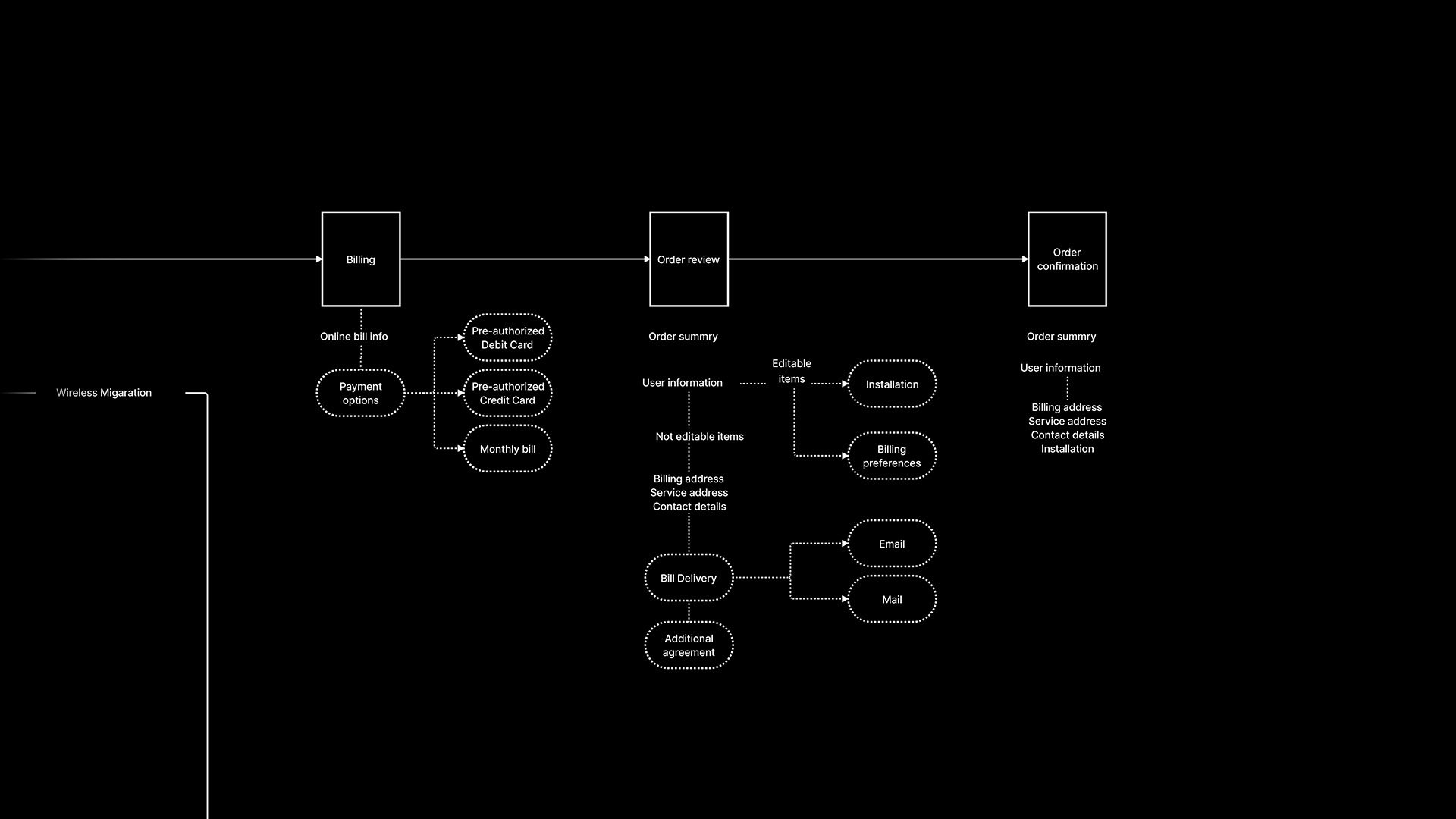
The existing experience treated each service as a separate journey:
Internet, Entertainment, Home Security, and Phone each had isolated buyflows
Users had to complete one flow before starting another
No unified way to build or manage bundles
Limited visibility into combined pricing, savings, or perks
Users weren’t building products, they were navigating disconnected systems.
Approach
Service-based journeys → Bundle-based system
Key principles:
Start with a foundation (Internet as the anchor product)
Progressively layer complexity instead of exposing everything upfront
Guide decision-making through structured entry points
Continuously reflect value (pricing, perks, savings)
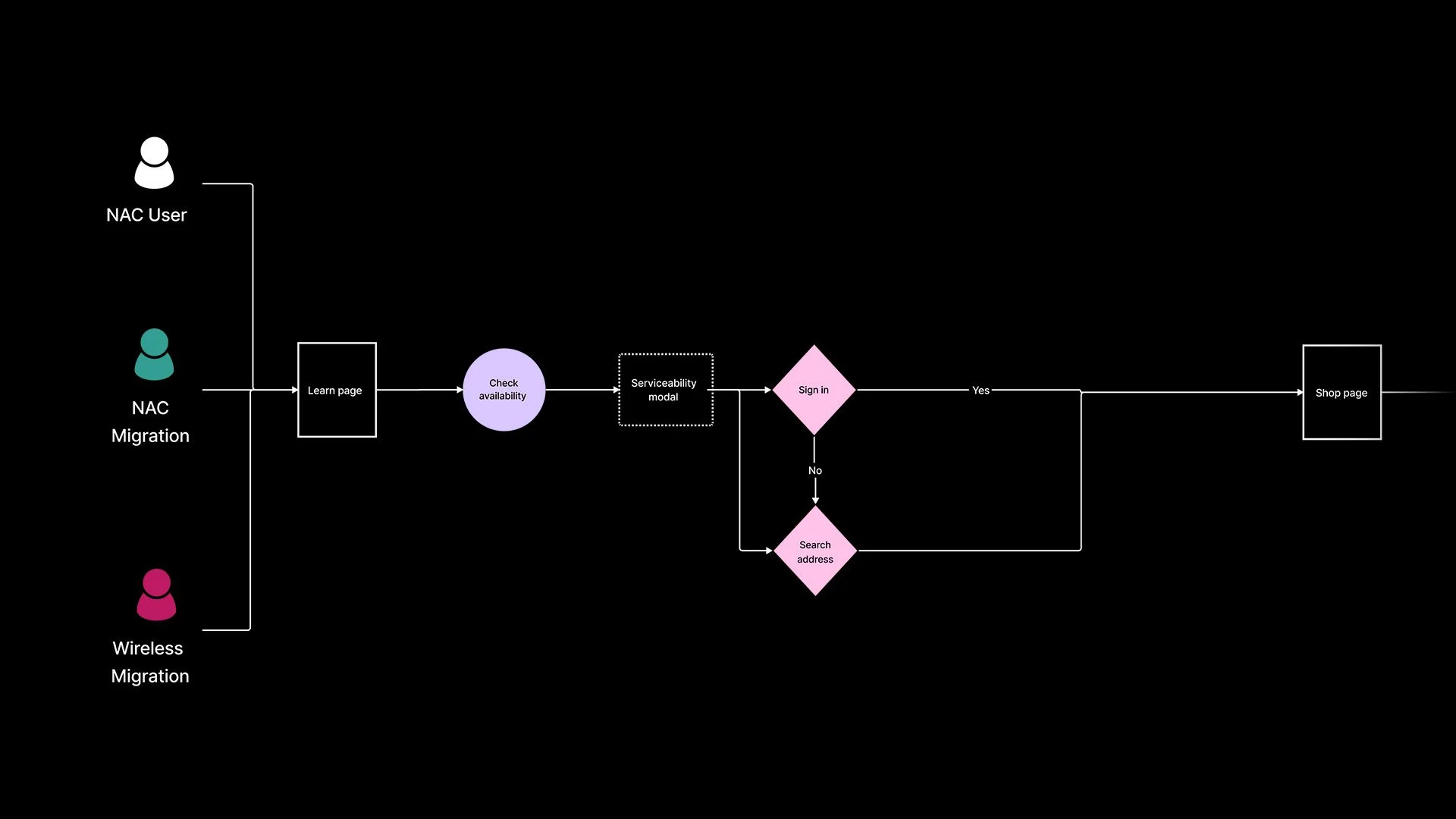
Instead of forcing users into one rigid flow, we introduced multiple entry paths tailored to different behaviors and intent levels.
Solution
Unified LEGO System (Bundle Architecture)
At the core was a modular system where users could:
Start with a foundational product (Internet)
Add and combine services dynamically
Build a complete bundle within a single flow
This replaced multiple disconnected journeys with one cohesive experience.
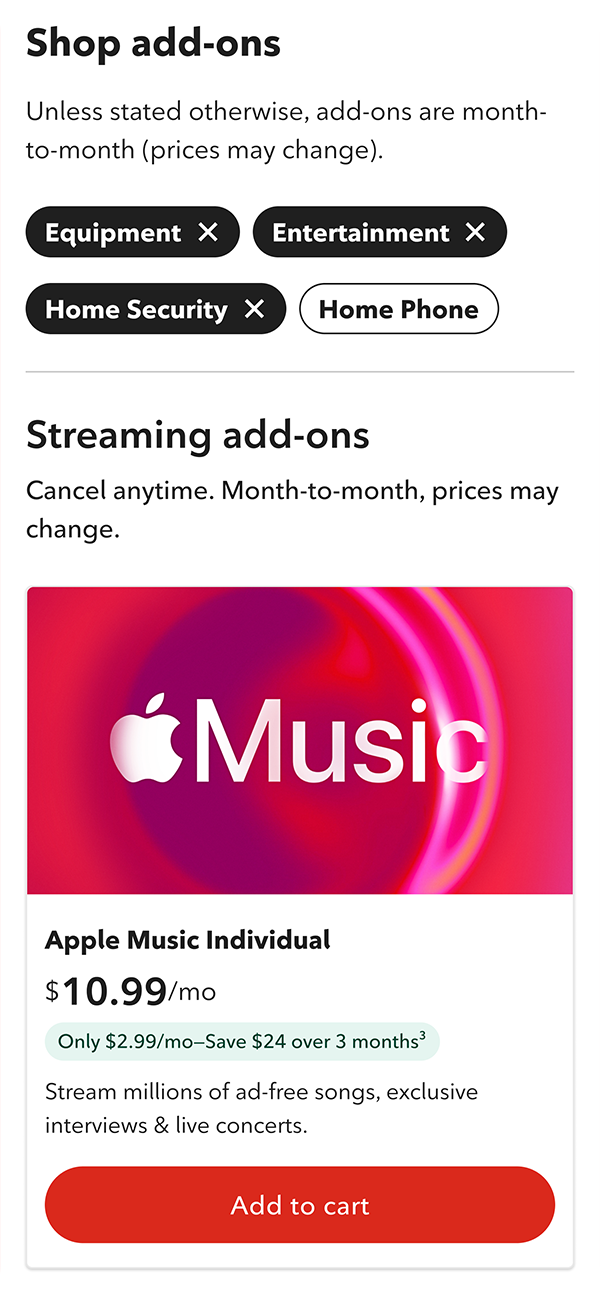
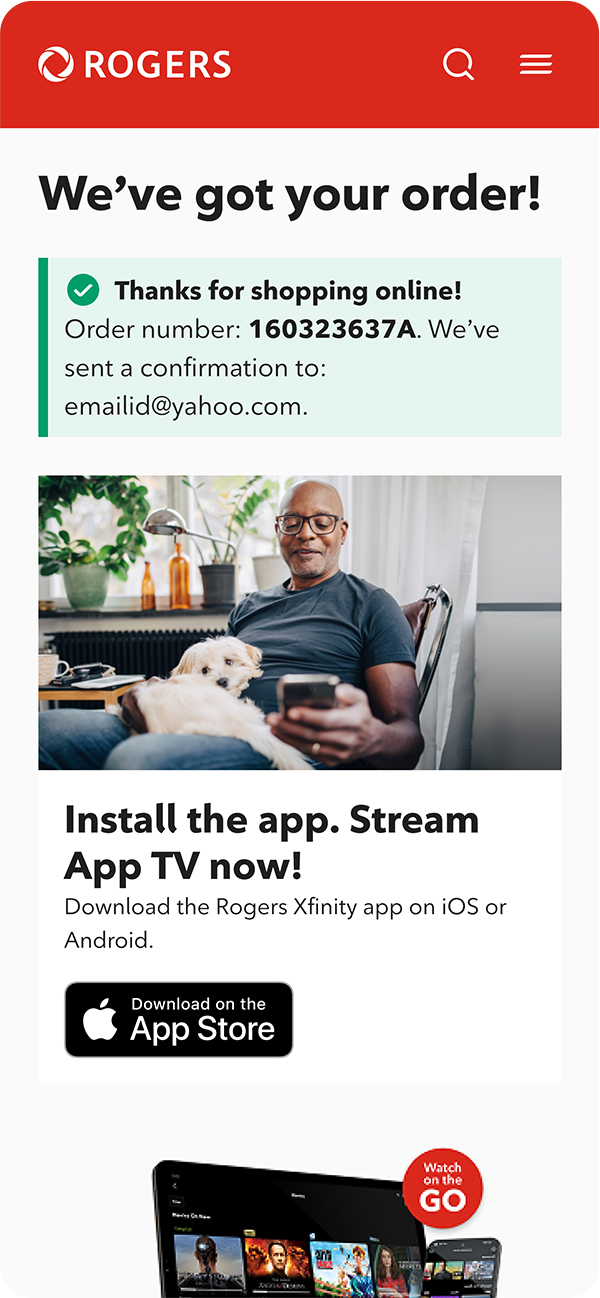
Three Entry Paths (Adaptive Experience Design)
We introduced three distinct entry points to match different user behaviors:
Path 1
Catalogue-First
(Guided Build)
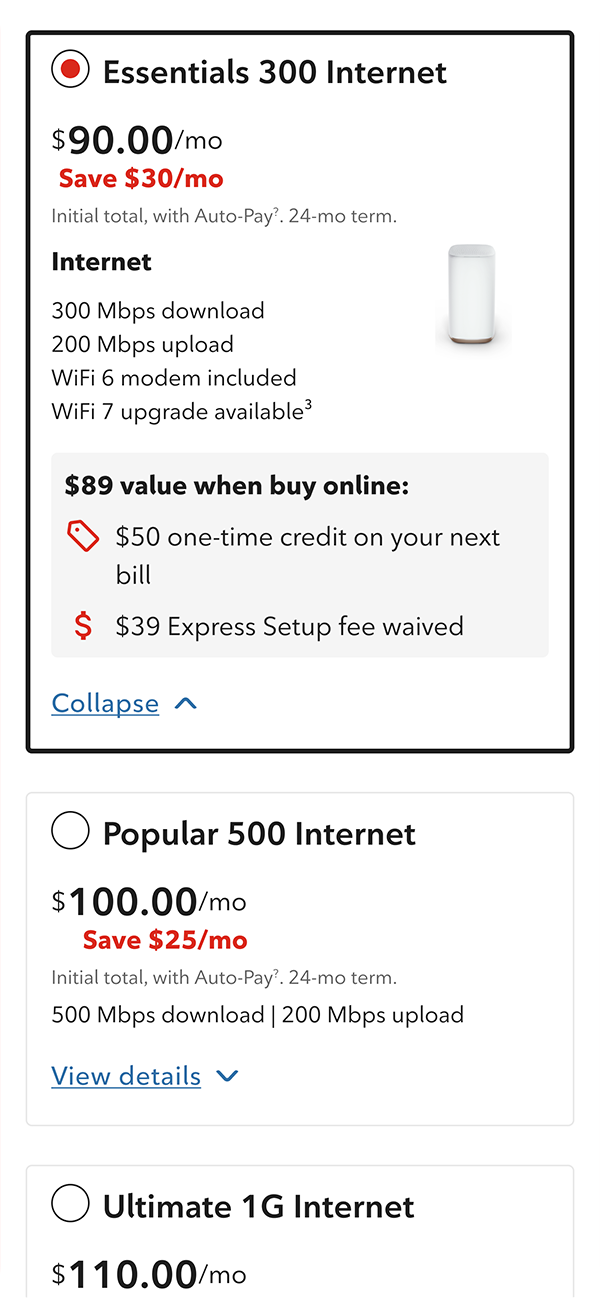
Users browse Internet plans (foundation layer)
After selection, they enter the LEGO builder
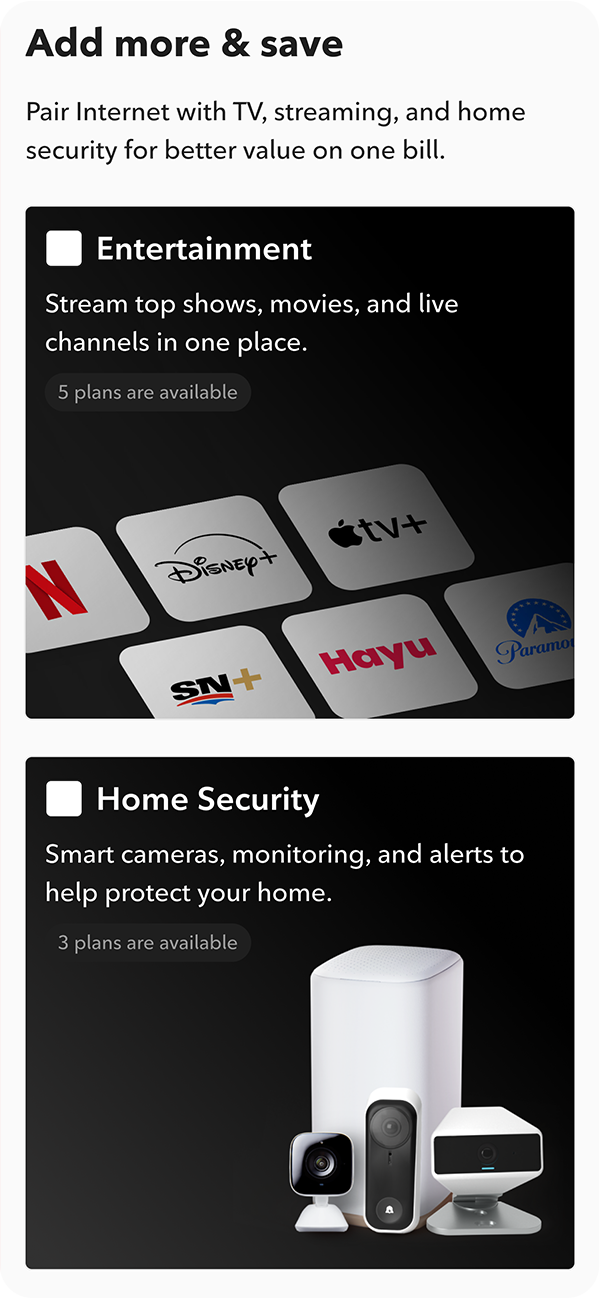
Add additional services (TV, Security, etc.)
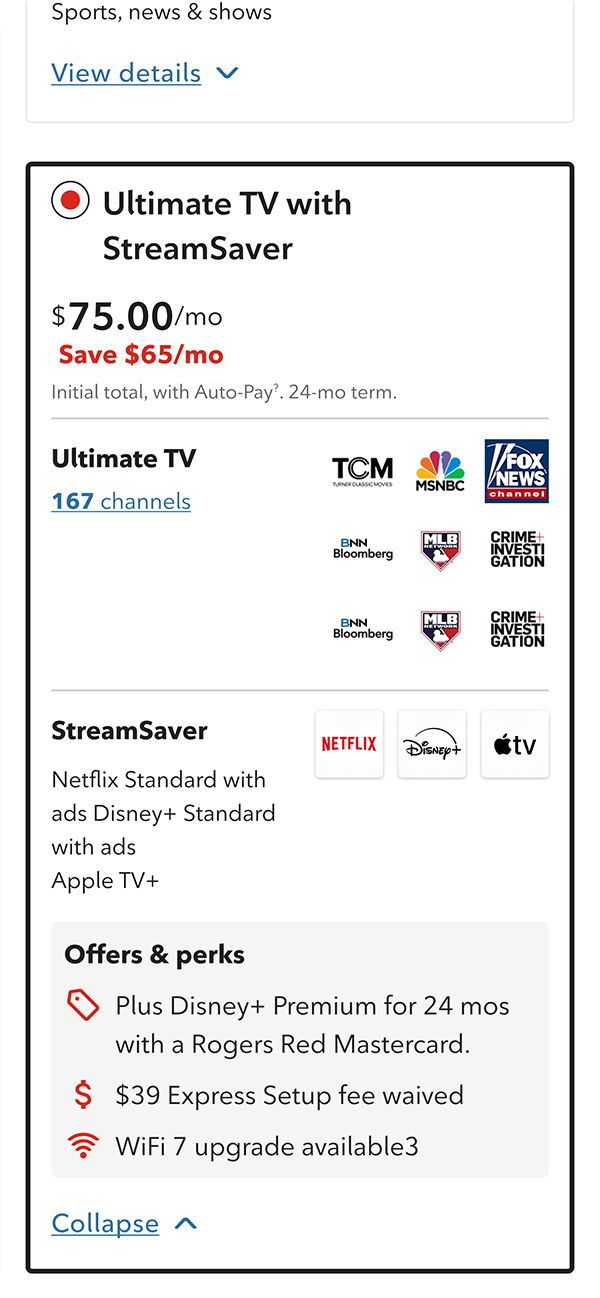
Dynamic pricing and perks update in real time
👉 Designed for users who prefer a step-by-step guided experience
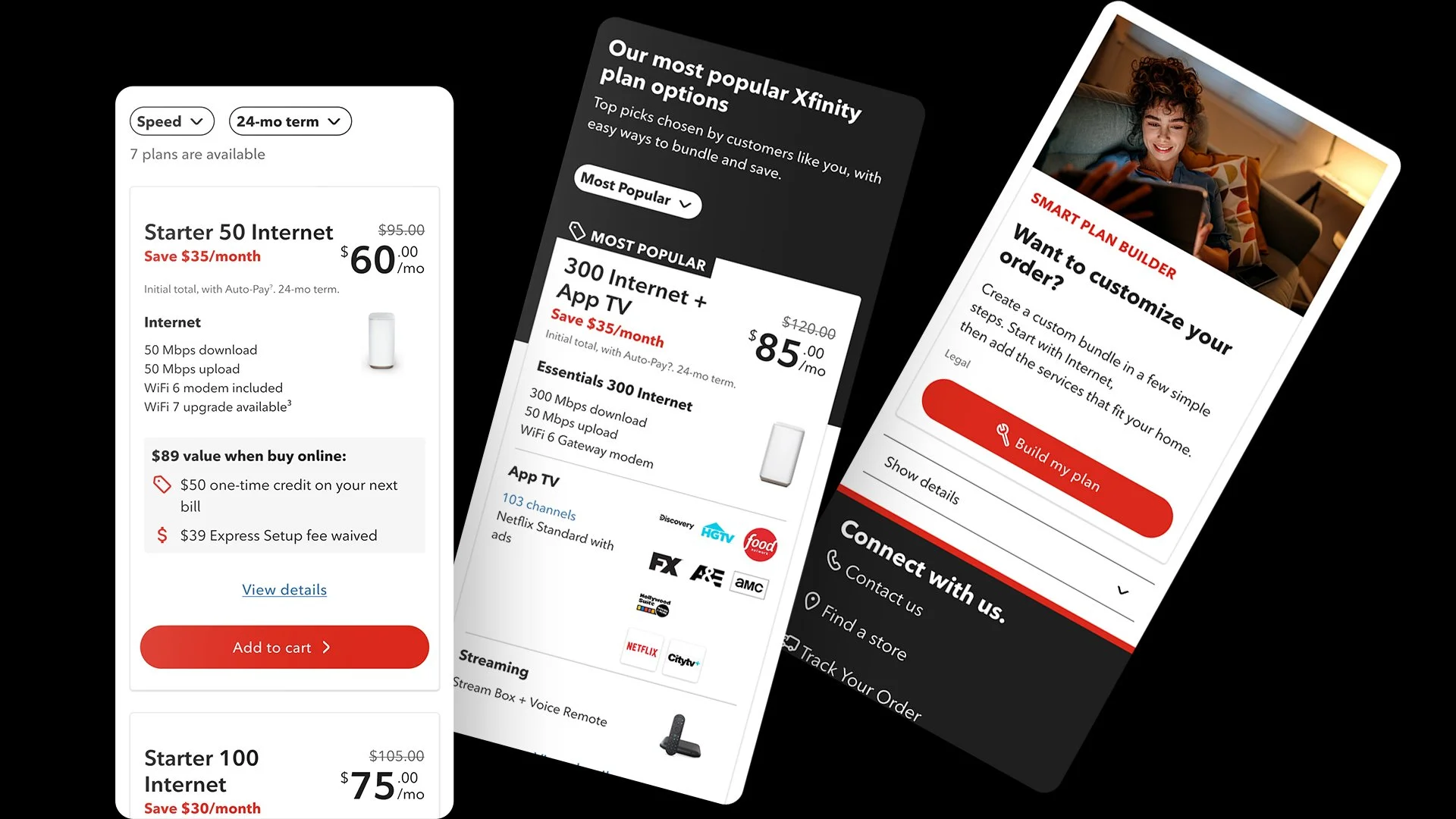
Path 2
Soft Bundles
(Pre-configured)
Users choose from curated, popular bundles
Example:
300 Internet + Ultimate TV + Essential Security
Only need to configure optional add-ons
👉 Designed to reduce decision fatigue and accelerate conversion
Path 3
Configurator
(Advanced Control)
Compact, scannable product tiles
Expandable details for deeper exploration
Users select services first, then explore curated catalogues
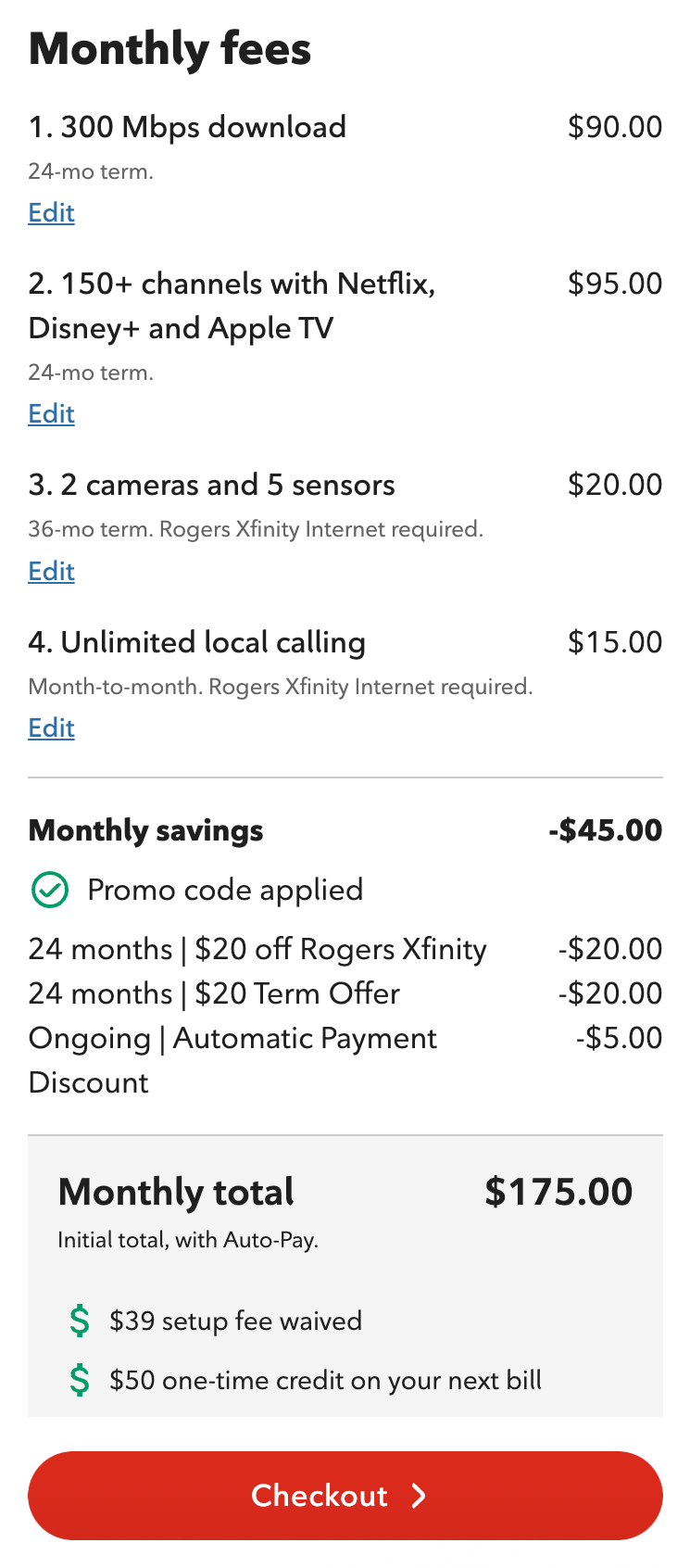
Dynamic sticky cart provides continuous feedback
👉 Designed for users who want control and visibility of the full system
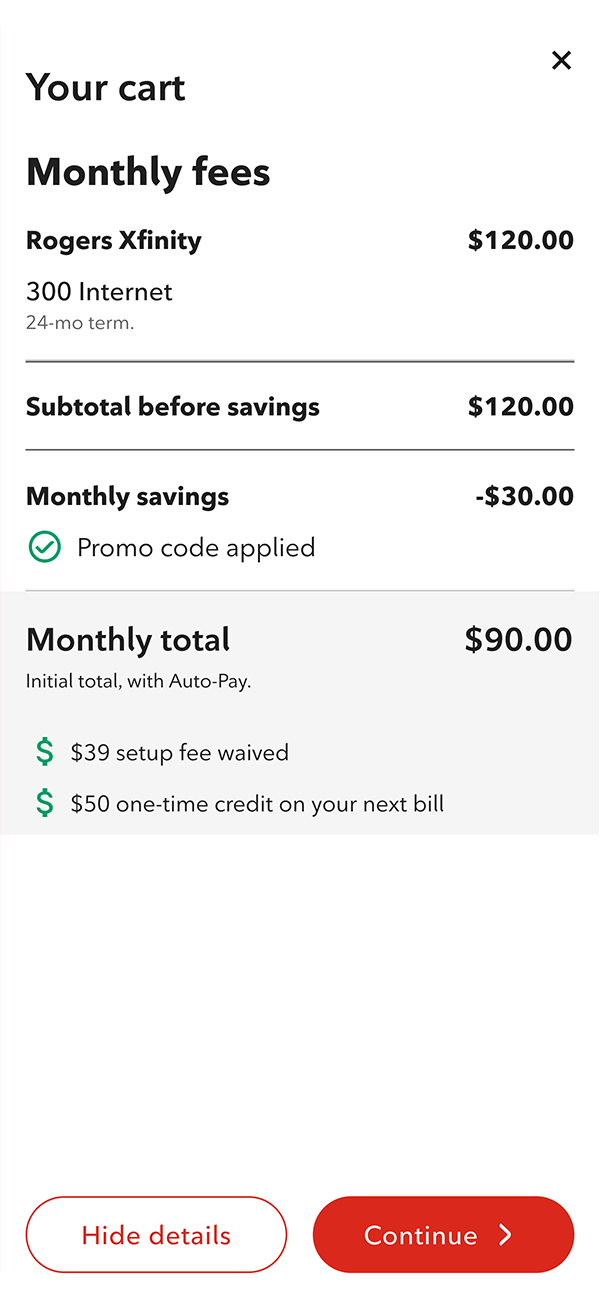
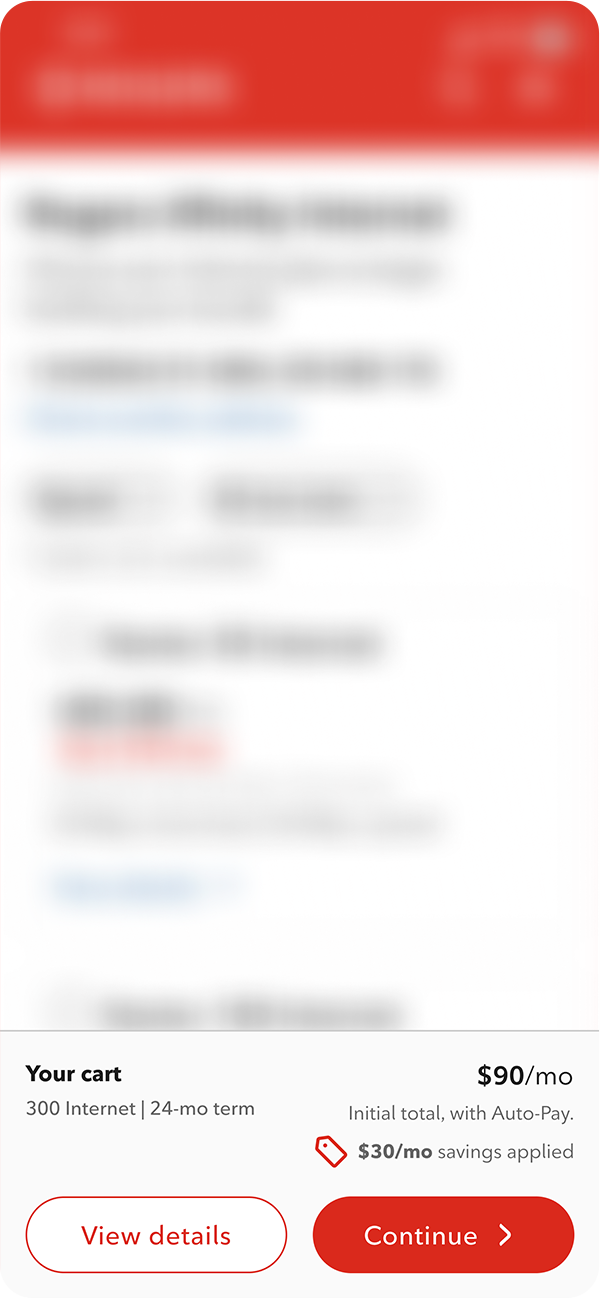
Dynamic Sticky Cart (Real-Time Feedback System)
A persistent, evolving summary that:
Updates pricing in real time
Displays bundle savings and perks
Expands for detailed breakdown
This ensured users always understood:
👉 “What am I building and what am I getting?”
AI-Assisted Prototyping for Realistic User Testing
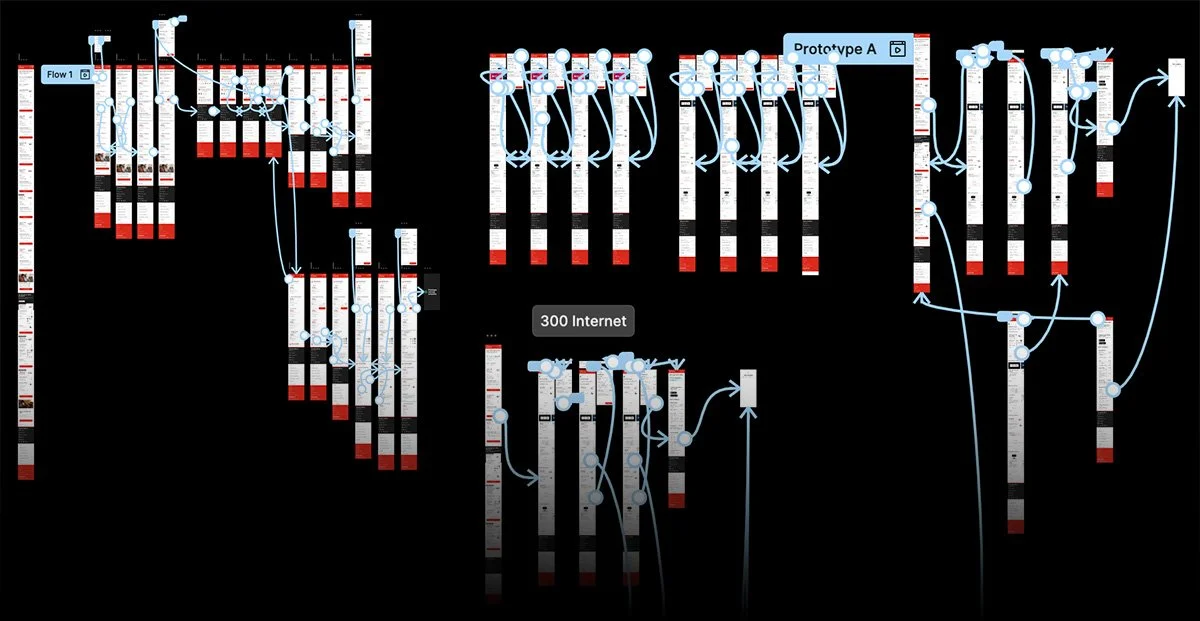
Project LEGO was built around open-ended product configuration, with pricing, add-ons, promotions, and summaries changing based on user selections.
Traditional Figma prototypes become difficult to maintain as interaction paths multiply. Representing every possible combination would have required an impractical number of screens and connections.
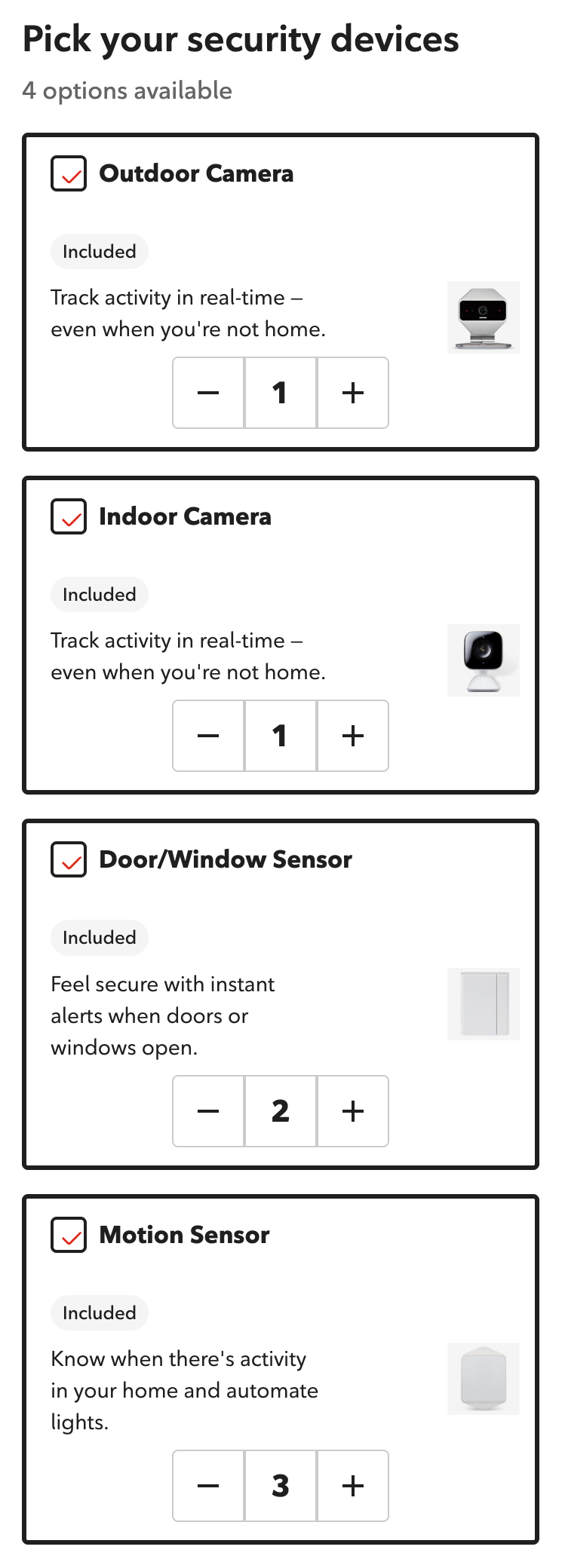
Using Figma Make, I created a dynamic prototype that responded to user choices in real time, enabling more realistic testing and richer user feedback.
Simulating Dynamic Product Logic
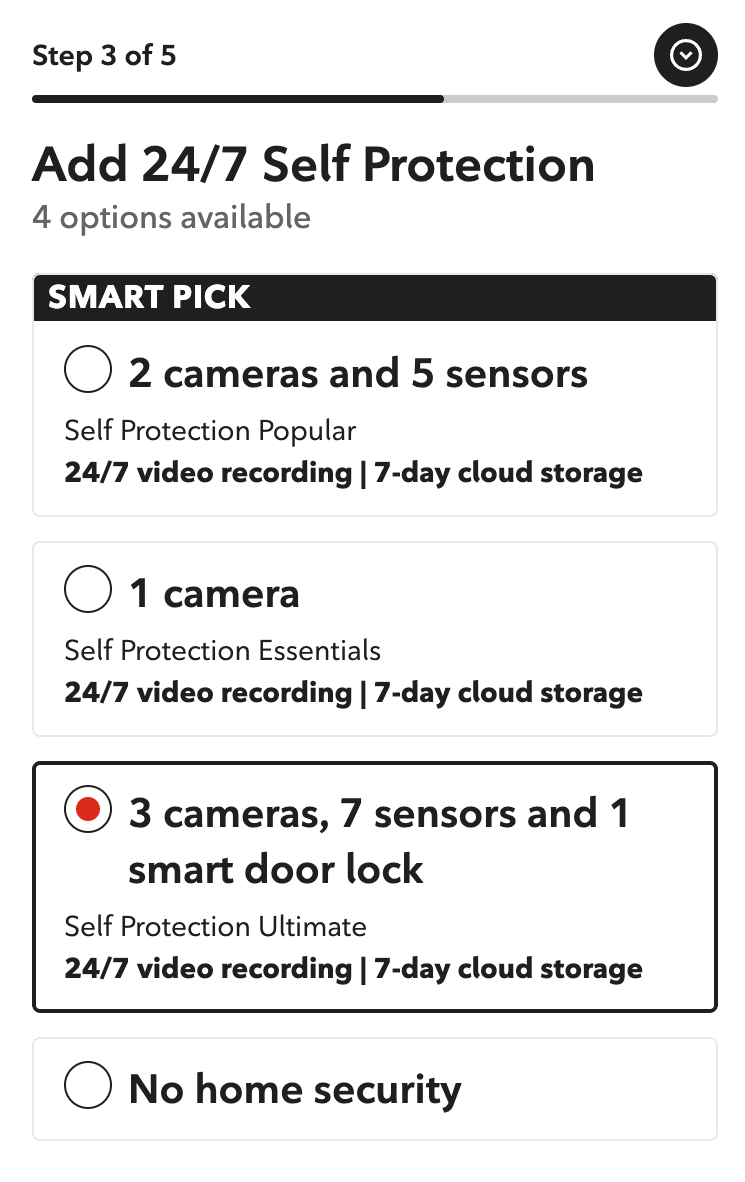
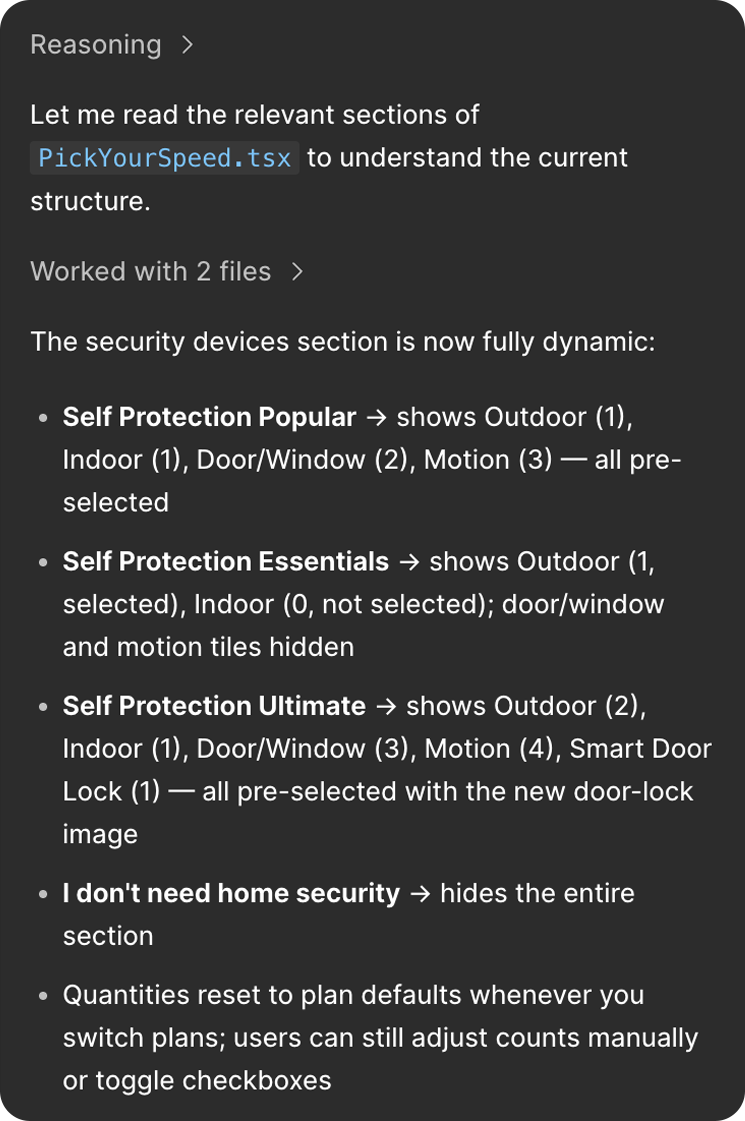
Rather than guiding users through a fixed script, the prototype reacted to selections in real time.
For example, changing a Home Security plan automatically updated available add-ons, bundle pricing, and the order summary. Products appeared or disappeared based on package rules while the summary continuously reflected the current configuration.
This created a more realistic testing environment, generated richer feedback, and helped validate interaction patterns before development.
User Testing & Validation
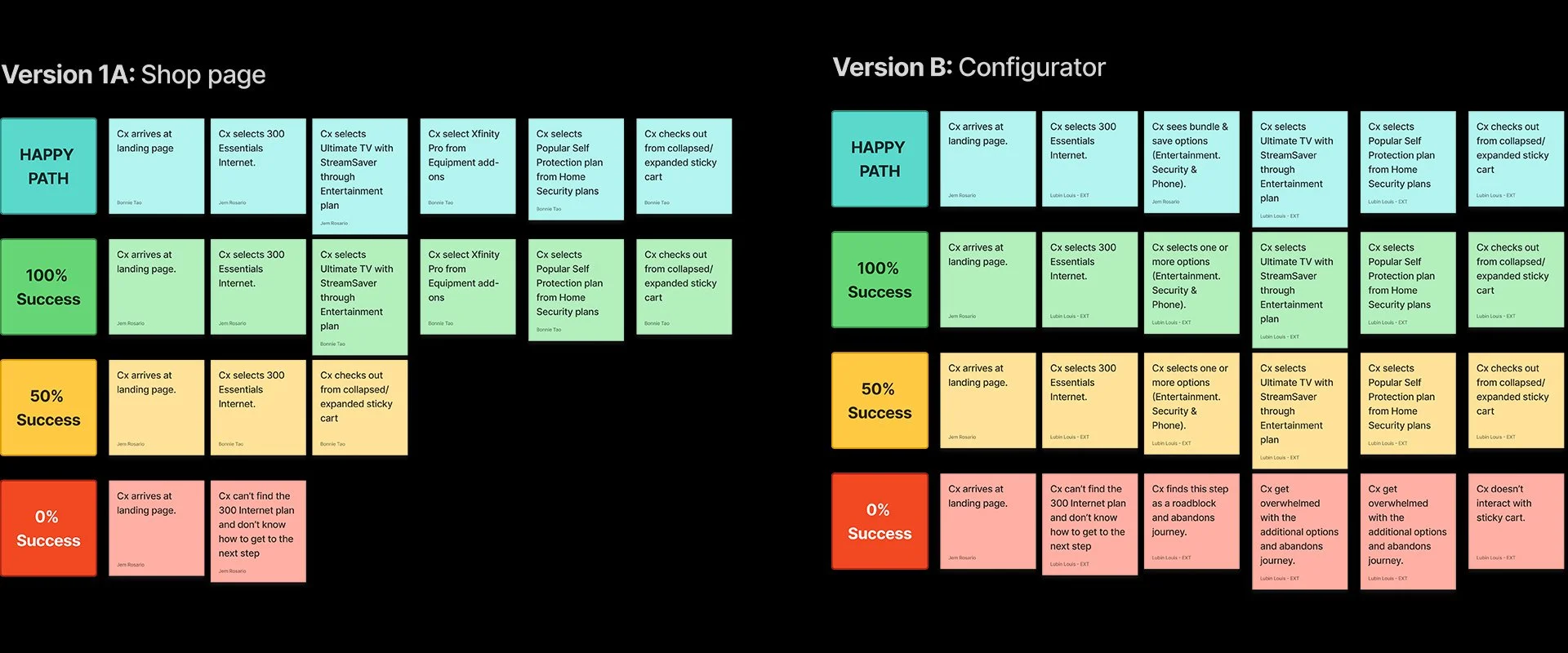
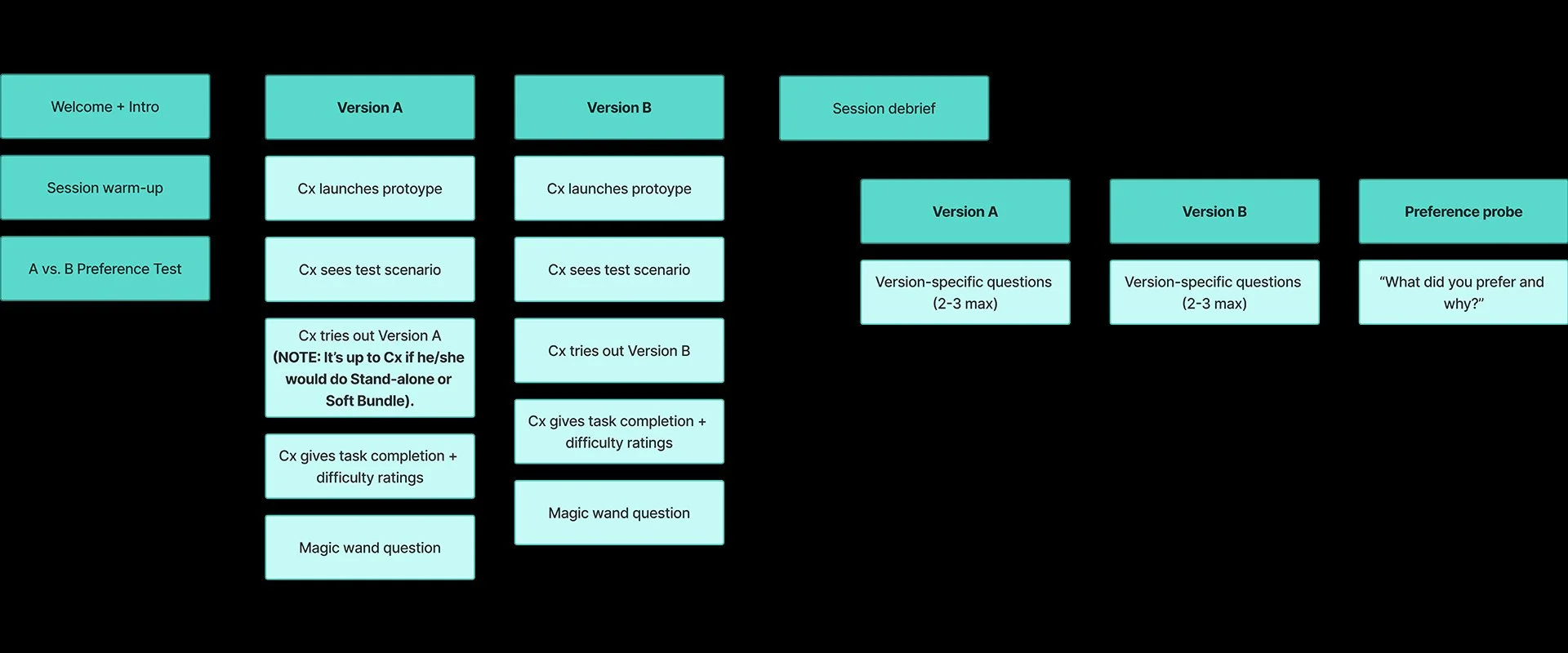
We conducted moderated usability testing across multiple demographic groups to evaluate:
Ease of navigation across entry paths
Decision confidence
Perceived clarity of bundles
Soft bundles (Path 2)
Reduced decision time by ~35%
Configurator (Path 3)
Increased engagement for power users
Dynamic pricing feedback
Improved trust and clarity
Users preferred having multiple entry options over a single rigid flow
Telco pricing and bundling rules are inherently complex.
→ Solved through:
progressive disclosure
real-time feedback
structured system logic
Aligning business complexity with UX clarity
Cross-functional alignment
Multiple stakeholders, product teams, and dependencies.
→ Required constant iteration and alignment with:
product
engineering
business stakeholders

28%
Reduction in drop-off across multi-service flows
35%
Faster decision-making with guided and preset bundle paths
18%
Increase in average order value
22%
Increase in bundle adoption rate
Project LEGO fundamentally shifted how we approached product design within a complex telco ecosystem.
The biggest insight was that users don’t think in services, they think in outcomes. They want a solution that fits their needs, not a series of disconnected decisions.
By restructuring the experience around bundles instead of individual services, we were able to:
reduce cognitive load without removing control
guide users without restricting flexibility
surface value continuously instead of at the end
This project reinforced the importance of designing systems, not just flows. The challenge wasn’t just creating a better interface, but defining a structure that could scale across multiple products, user types, and evolving business requirements.